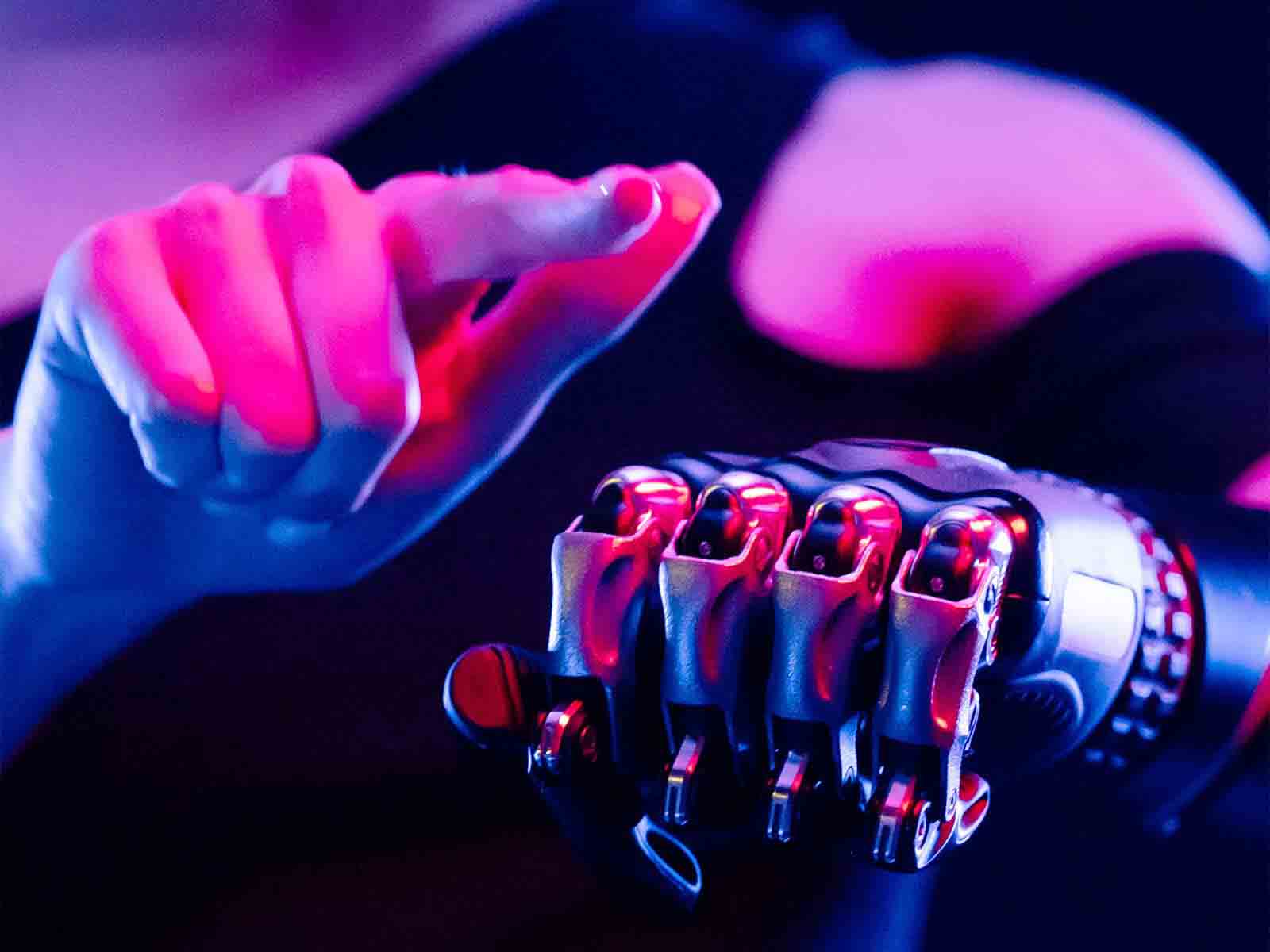
Exploring AI, Tech & Future Innovations

Step into the future with ChromiumFX. Discover insights on AI, robotics, cybersecurity, and emerging technologies that are shaping tomorrow.

Your Gateway to Tomorrow’s Technology

The future is unfolding faster than ever — and ChromiumFX is here to guide you through it. From artificial intelligence and robotics to cybersecurity and emerging trends, we bring you deep insights, clear explanations, and future-ready knowledge. Whether you’re a curious learner or a professional staying ahead of the curve, this is your trusted hub for everything tech.

How ChromiumFX Works

ChromiumFX integrates computer vision, deep learning, and real-time analytics into a single framework. It collects input from cameras, sensors, and digital systems, then processes the information using intelligent algorithms — enabling machines to detect, predict, and respond with human-like awareness.

Visual ChromiumFX

Focused on cameras and imaging for object recognition.

Sensor-Based ChromiumFX

Uses LiDAR, radar, and IoT sensors for spatial awareness.

Hybrid ChromiumFX

Combines multiple inputs for high-accuracy decision-making.

Software ChromiumFX

AI and algorithm-driven systems that power automation.

Read Our Latest Blogs

Recent Advancements in ChromiumFX

Vision-First Camera Systems for Urban Autonomy

Kuch companies ne sirf cameras ka use karke complex sahron (urban environments) mein chalne wale autonomous systems develop kiye hain. Ye systems multiple camera inputs ko synthesize karte hain, bird’s-eye-view maps banate hain aur planning/control modules ko enhance karte hain.

Self-Learning Robots Using Vision Alone

MIT ke researchers ne ek naya AI system banaya hai jo robots ko “dekh kar” apne aap ko control karna sikhata hai, bina extra sensors ke. Sirf standard camera(s) se motion data collect karke system “visuomotor Jacobian field” banata hai jisse robot samajh pata hai ke kaunsa movement command uske har part pe kaise effect daalta hai.

Multimodal Sensor Fusion and 3D Object Detection

A lot of recent research ne radar + vision fusion, LiDAR + camera fusion, aur similar combinations ko improve kiya hai for 3D object detection. Sensor fusion se system zyada robust ho jata hai, especially adverse weather (fog, rain) ya low visibility conditions mein.

Latest AI Breakthroughs

Artificial Intelligence has reached new milestones in recent years, reshaping industries and everyday life. Breakthroughs in multimodal AI models now allow machines to process text, images, and even video with remarkable accuracy. Robotics powered by AI is advancing toward natural, human-like responsiveness, while AI in healthcare and genomics is accelerating drug discovery and disease detection. At the same time, efficient training methods are making powerful AI more affordable and accessible, ensuring that innovation is no longer limited to large corporations.

Ethical Considerations and Future Challenges

As AI becomes more powerful, it also raises critical ethical questions. Issues of bias and fairness must be addressed to prevent discrimination in decision-making. Transparency and accountability remain a challenge, as many AI systems act like “black boxes” with little explanation for their choices. Concerns about privacy and data security are growing as AI relies on massive datasets, while the rise of deepfakes and misinformation poses threats to trust in media and society. Looking forward, policymakers, businesses, and researchers must work together to ensure AI is developed responsibly, balancing innovation with ethical safeguards and sustainability.

Transforming Industries and Daily Living

The Power of Robotics

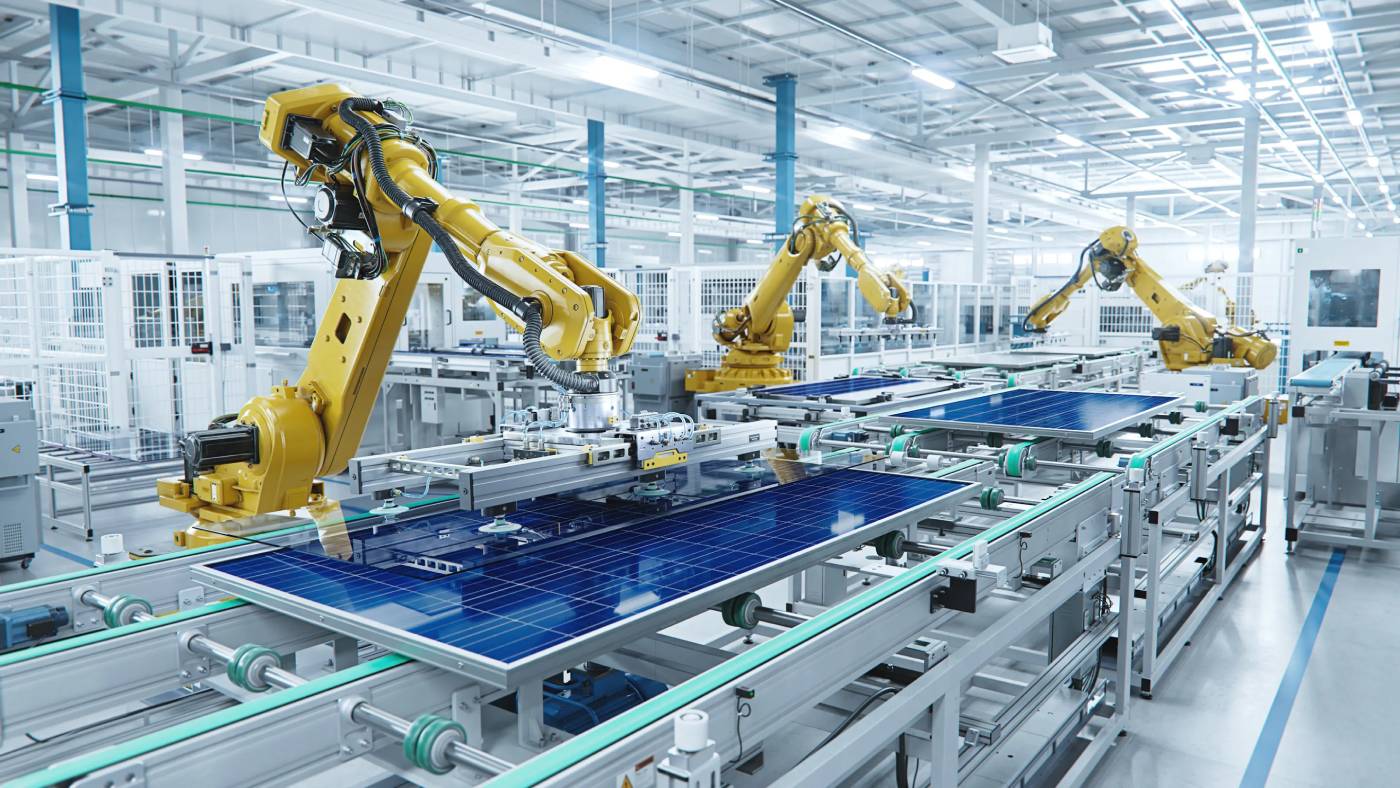
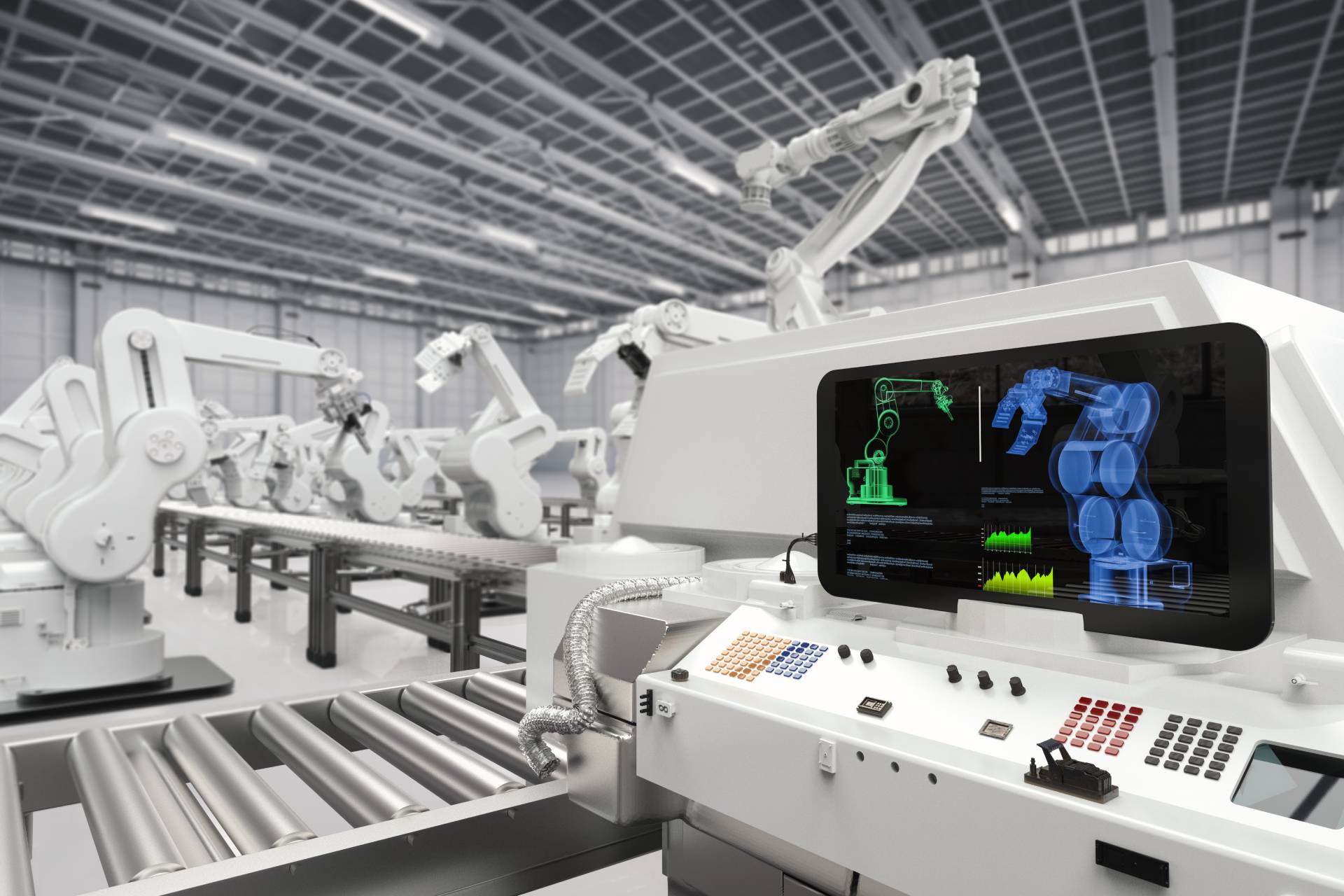
Robotics has moved far beyond the factory floor. Once limited to industrial automation, robots are now becoming an essential part of healthcare, logistics, space exploration, and even our homes. From surgical robots that enhance precision in medicine to smart assistants that simplify daily tasks, robotics is reshaping the way we live and work.

At its core, robotics is about extending human potential. By combining advanced sensors, artificial intelligence, and automation, robots are capable of performing tasks with incredible speed, accuracy, and consistency. This not only improves efficiency in industries but also creates safer working environments and new opportunities for innovation.

The evolution of robotics has been remarkable — from simple mechanical machines to intelligent, adaptive systems. Early robots were designed to repeat predefined actions, but today’s robots can learn, adapt, and interact with their surroundings in real time. As technology continues to advance, the future promises robots that are more autonomous, collaborative, and integrated into our everyday lives.

The NeuroVision Framework: Merging AI, Vision, and Automation

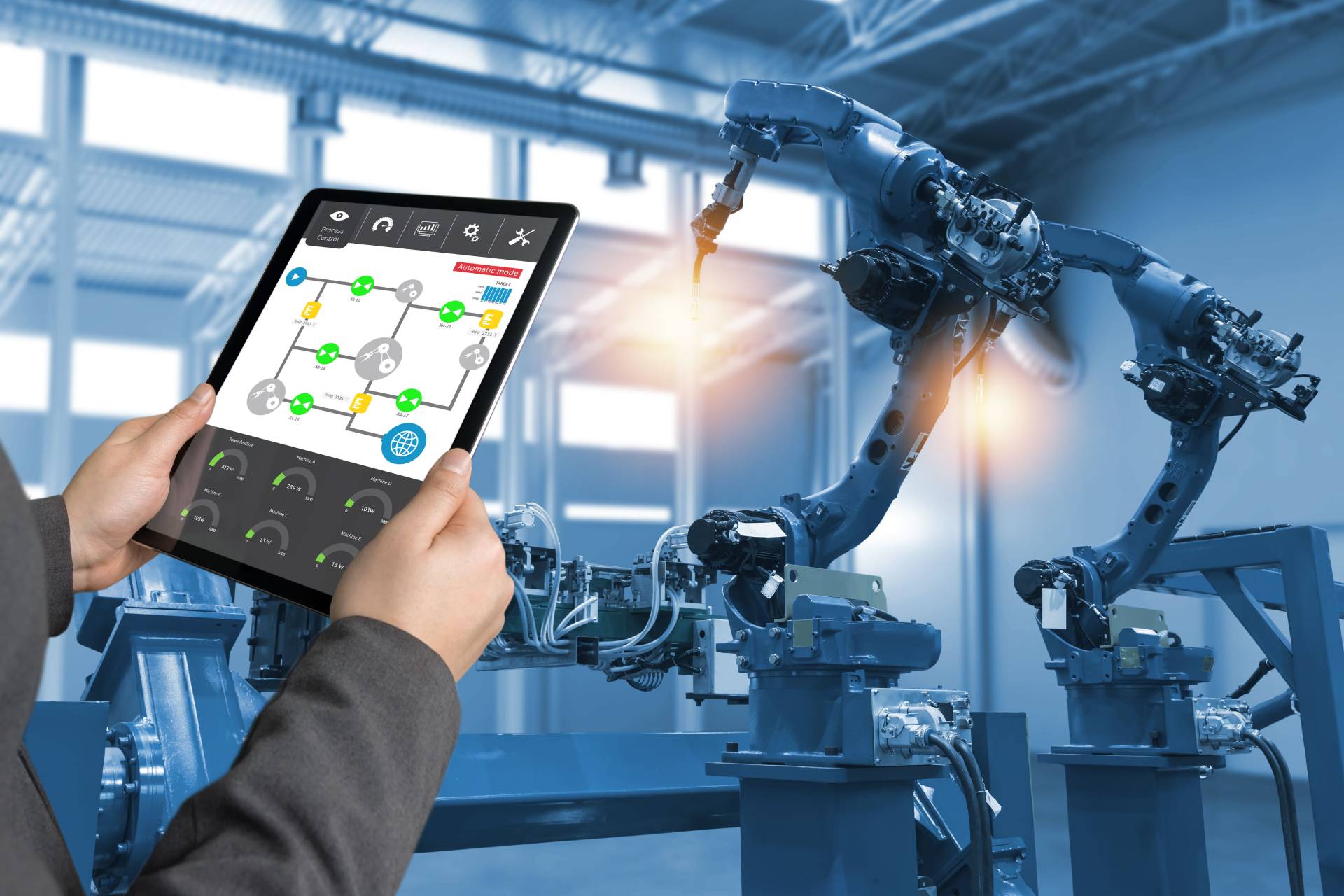
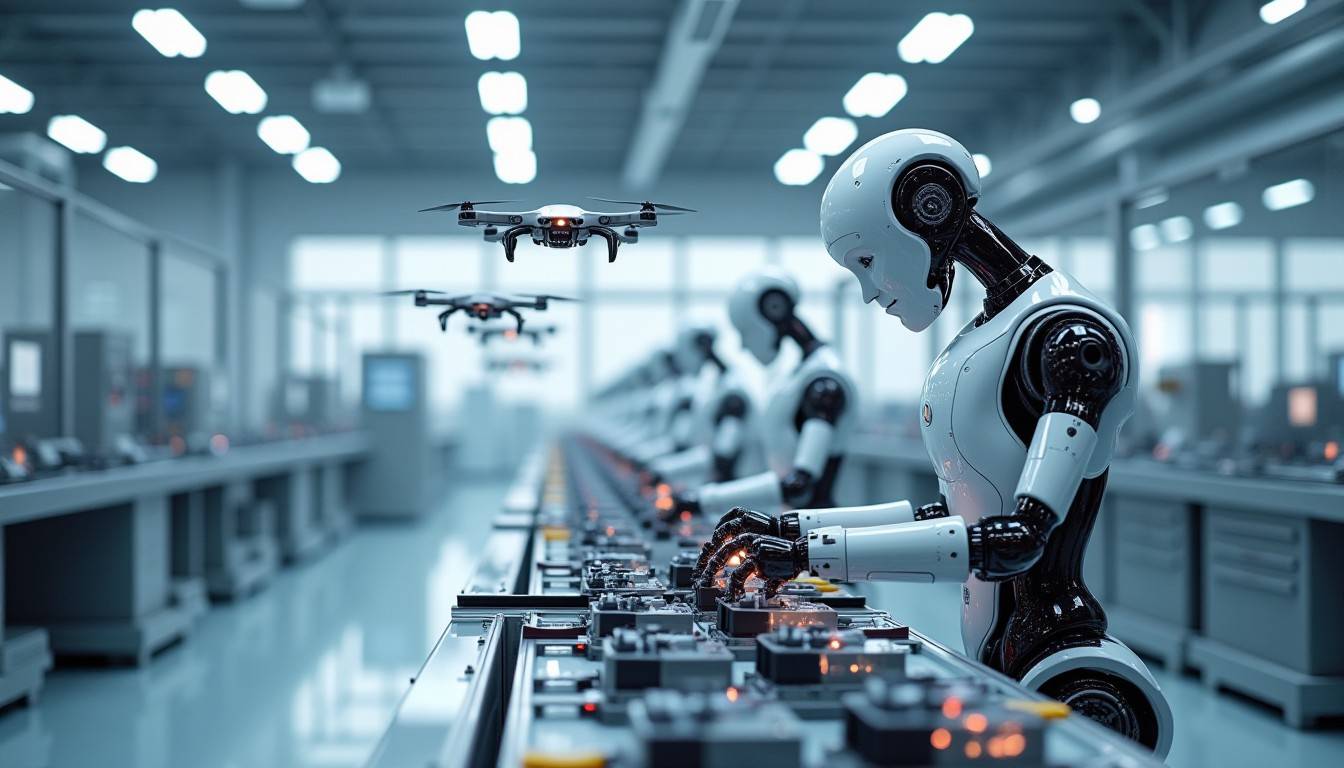
The NeuroVision Framework represents the next step in intelligent systems, combining the power of artificial intelligence, computer vision, and automation into a unified ecosystem. By enabling machines to see, understand, and act in real time, NeuroVision drives advancements in robotics, autonomous navigation, and smart industries. This integration not only enhances efficiency and precision but also opens the door to a future where technology works seamlessly alongside humans.

The NeuroVision Framework goes beyond traditional automation by making machines more adaptive, responsive, and collaborative. Through advanced AI algorithms and sensor fusion, it empowers systems to learn from their environments, anticipate changes, and make intelligent decisions. From autonomous vehicles and drones to smart manufacturing and healthcare robotics, NeuroVision is shaping a future where human potential is amplified by intelligent technology.

Scroll to Top